School of Applied Sciences
6
Program
About the Program
The School of Applied Sciences is one of the academic units of Istanbul Nişantaşı University, dedicated to excellence, international recognition, and accredited education. Building on reason and science, it aims to benefit from every kind of knowledge, discovery, and progress in the world; to foster rational, inquisitive, and collaborative thinking; to instill a sense of social responsibility; and to produce qualified knowledge at an international level, raising its students in a well-rounded manner.
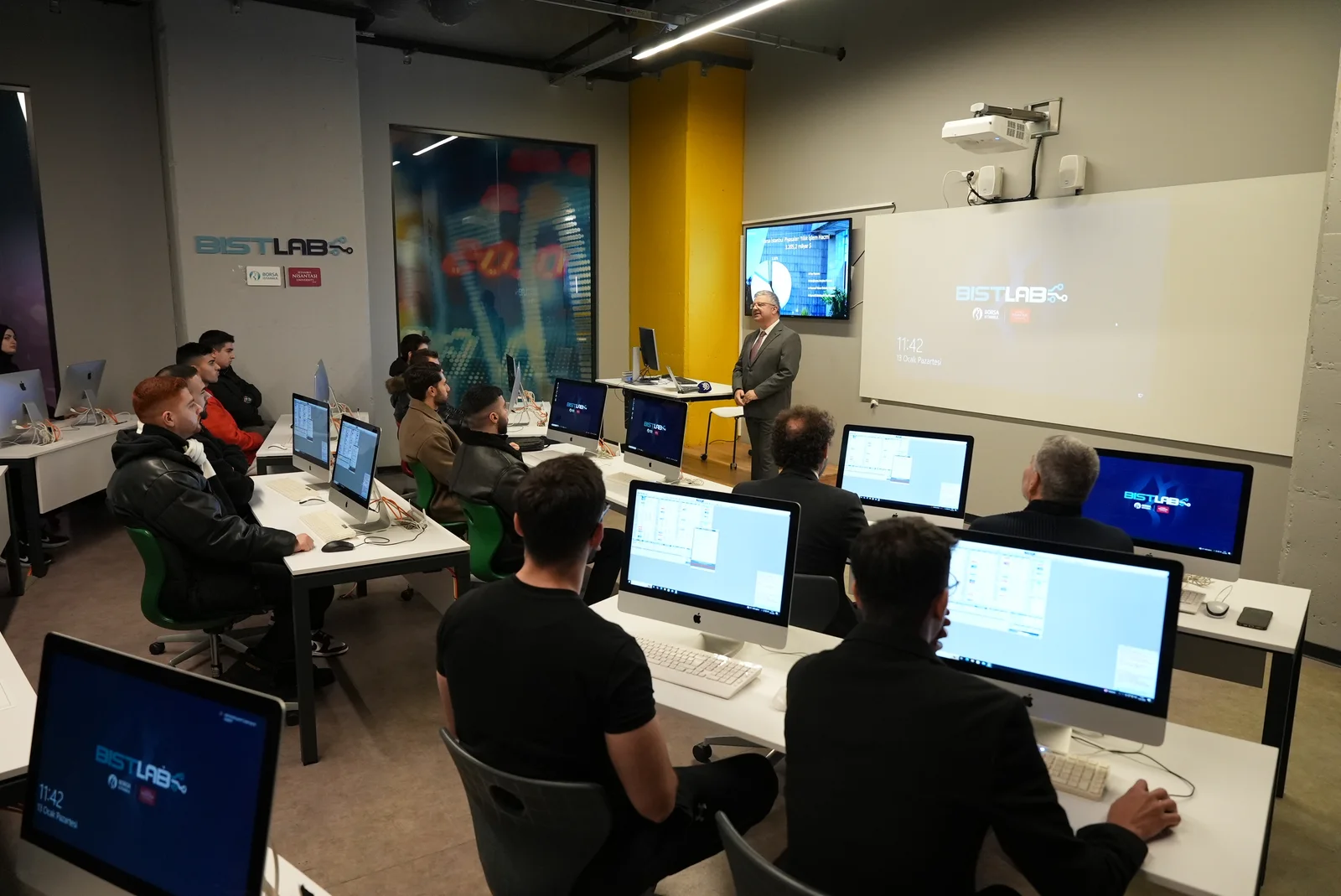
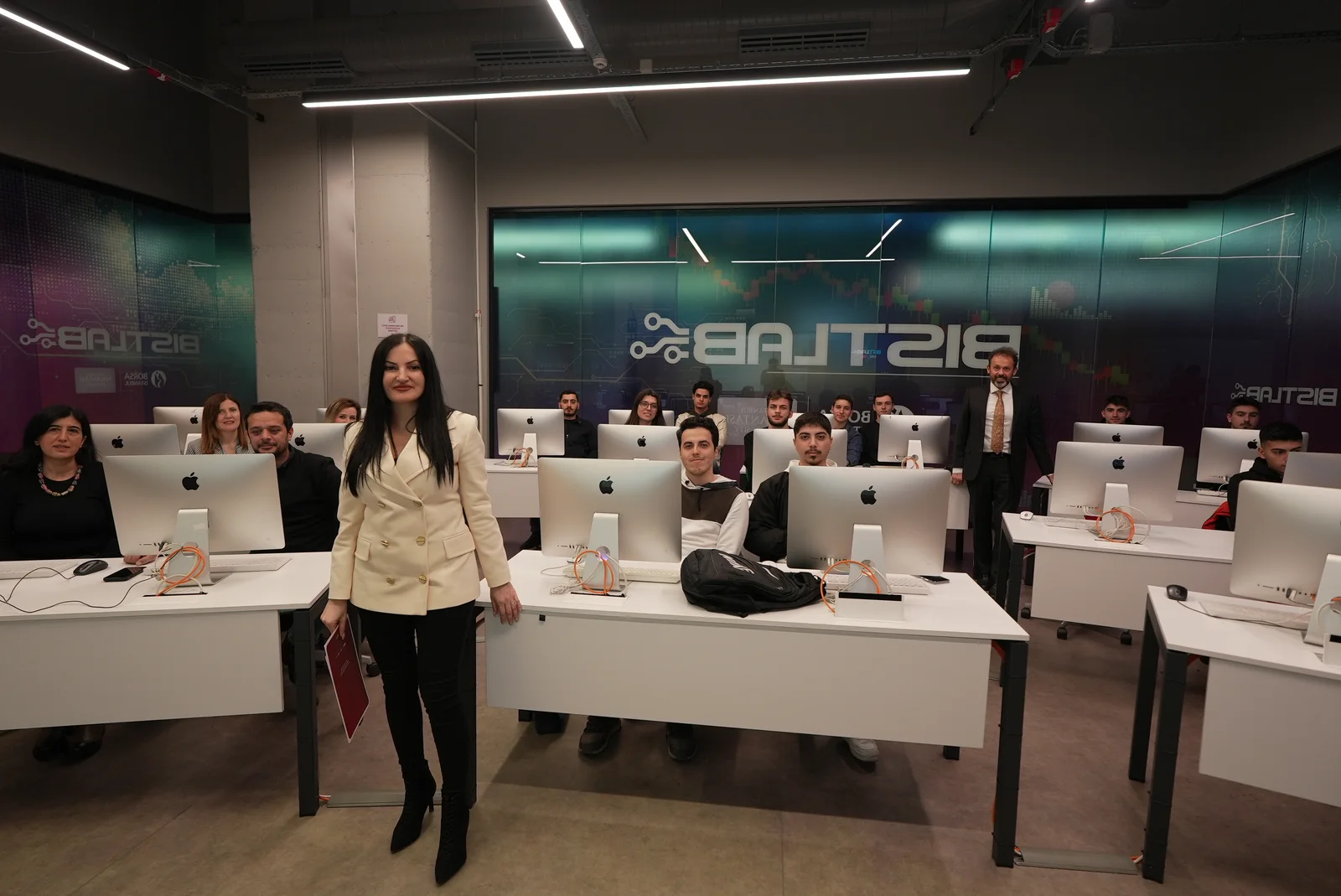
Our school delivers higher education through academics who are experts in their fields with interdisciplinary knowledge and experience, all within a practice-based education concept. It began admitting students in the 2016-2017 academic year and embraces an approach in which knowledge and sectoral, hands-on practical experience are delivered together.
Our curricula are designed in line with the Bologna process and within the framework of the internationally recognized diploma supplement criteria, and our students can take part in Erasmus international student exchange programs. Across our departments, students become closely acquainted with real working life through field practice, study trips, internship courses, and seminars given by invited industry representatives.
By continuously raising quality in our scientific research and educational activities, we aim to contribute to regional development with our expert academic and administrative staff, and to raise qualified, innovative, analytically strong, creative, reliable, and collaborative individuals needed by the relevant industries. Our goal is for our graduates to be sought-after experts in their fields, equipped with the necessary knowledge and with their practical skills developed to the highest level.
Career Fields
Our practice-based educational approach, in which knowledge and sectoral hands-on experience are delivered together, opens a very wide range of career options for our graduates. Our departments focus on raising the qualified human resources that the business world needs in the fields of international trade and business, logistics and supply chain, tourism guidance, data science, software, and information systems.
- International Trade and Business AdministrationGraduates can work in multinational global companies, international auditing, banking and insurance firms, the finance and service sector, company-valuation consultancy firms, and at every level of import-export companies. Graduates are awarded the title of economist by the Council of Higher Education (YÖK).
- Logistics and Supply ChainFrom procurement to production and from sales to after-sales services, logistics is a critical success factor at every stage of trade. Graduates are employed in foreign-trade companies, logistics companies, or the foreign-trade and logistics departments of multinational firms, and can also become public-sector personnel by succeeding in the KPSS exam.
- Tourist GuidingGraduates who take part in the practical trips organized by TUREB under the supervision of the Ministry of Culture and Tourism and who meet the foreign-language proficiency requirements can work as independent or agency-affiliated tour guides, as mid- to senior-level managers in tourism enterprises, as information officers, or as museum guides.
- Data Science and AnalyticsAn interdisciplinary field that analyzes large data sets to extract meaningful insights and uses them in strategic decision-making processes. Graduates take an active role in collecting, cleaning, analyzing, and reporting data, and can work across many different sectors with competencies in statistics, data mining, machine learning, and data visualization.
- Software DevelopmentThe field in which computer software is designed, developed, tested, and maintained in a rapidly digitalizing world. Graduates take on tasks such as needs analysis, software architecture, database structure, and user-interface design, shaping technology through analytical thinking, problem solving, and creativity.
- Information Systems and TechnologiesTrains individuals capable of integrating complex business problems with information-technology solutions, performing data analysis, and being competent in system design and management. The education covers Python, Java, C#, databases and web technologies, as well as business intelligence, big data, data mining, and machine-learning applications.
About the Courses
The Logistics curriculum covers knowledge applicable at every level of working life: logistics information systems, fleet management, transportation law, vocational foreign language, foreign-trade applications, supply chain management, stock and inventory management, and the use of software packages in foreign trade are among the program's core courses. In addition, numerous elective courses are offered.
The core courses of the International Trade and Business department include introduction to international trade, international business, international marketing, international transportation, supply chain management, banking and foreign-exchange operations, customs procedures, international finance, human resources, and brand management. Alongside vocational English, Spanish, French, Russian, or German is offered as an elective so that graduates can speak at least two foreign languages.
The Tourism Guidance program combines compulsory and elective vocational courses with intensive English and second-foreign-language support. Courses such as introduction to tourism, tourism legislation and professional law, travel agency and tour operation, tourism geography, archaeology, art history, Anatolian civilizations, and tourism-guidance professional technique prepare students for the profession by supporting theoretical education with field practice and internships.
For detailed information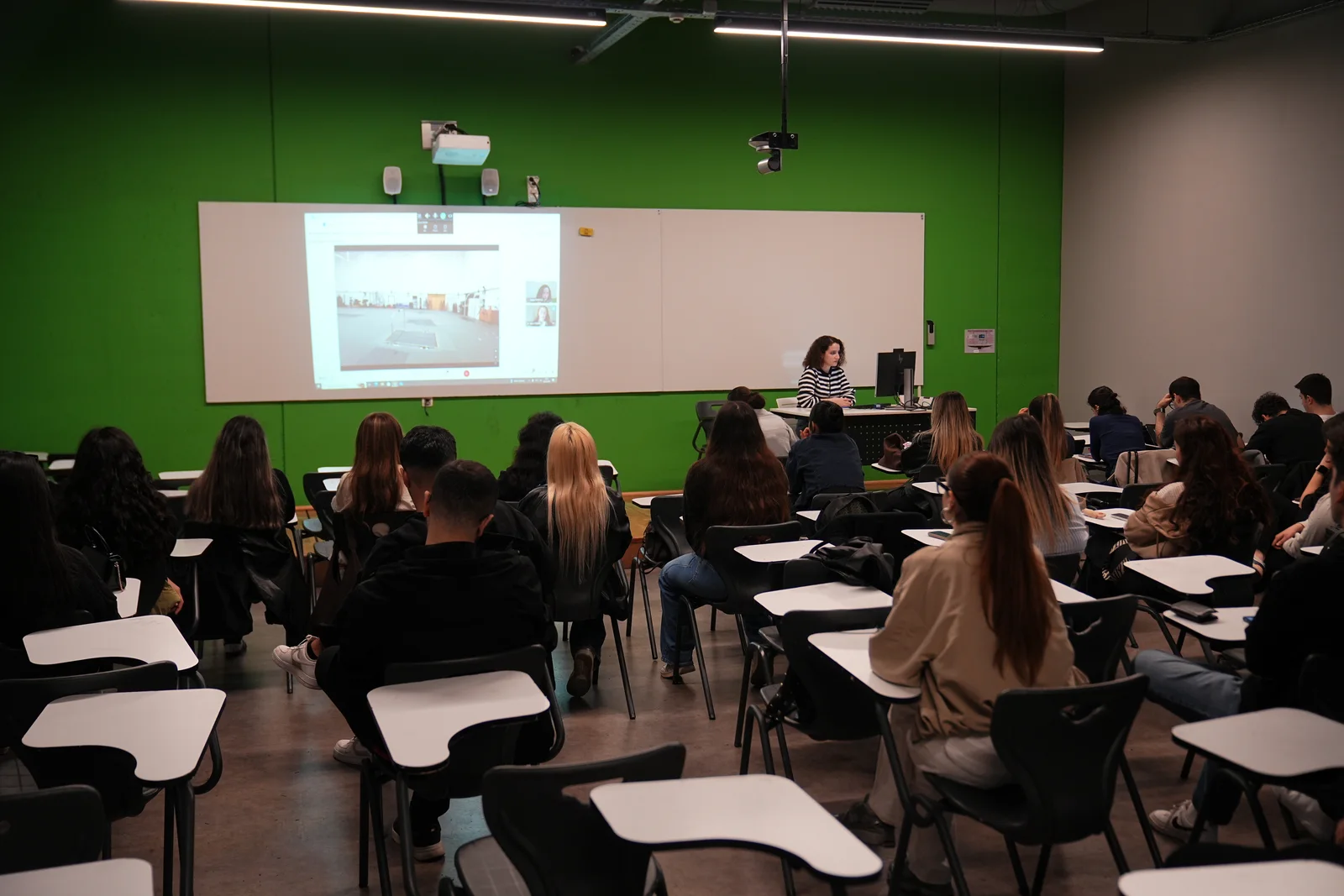
Get more information about School of Applied Sciences
Let our admissions advisor answer all your questions about the program, quotas and scholarship opportunities.