School of Civil Aviation
4
Program
About the Program
The School of Civil Aviation at Istanbul Nisantasi University sets out, as its core goal, to become a respected aviation education institution of international standing. Guided by a commitment to educational quality, research priorities, flawless certification and international validity, it trains well-equipped aviation professionals who meet the needs of the industry.
All programs of the school are conducted within a dynamic structure compliant with the regulations of the Directorate General of Civil Aviation (DGCA) and the Council of Higher Education (CoHE). Our departments hold Approved Training Organization authorization from the DGCA, and the principles of their licensing and certification processes are set in line with national and international regulations.
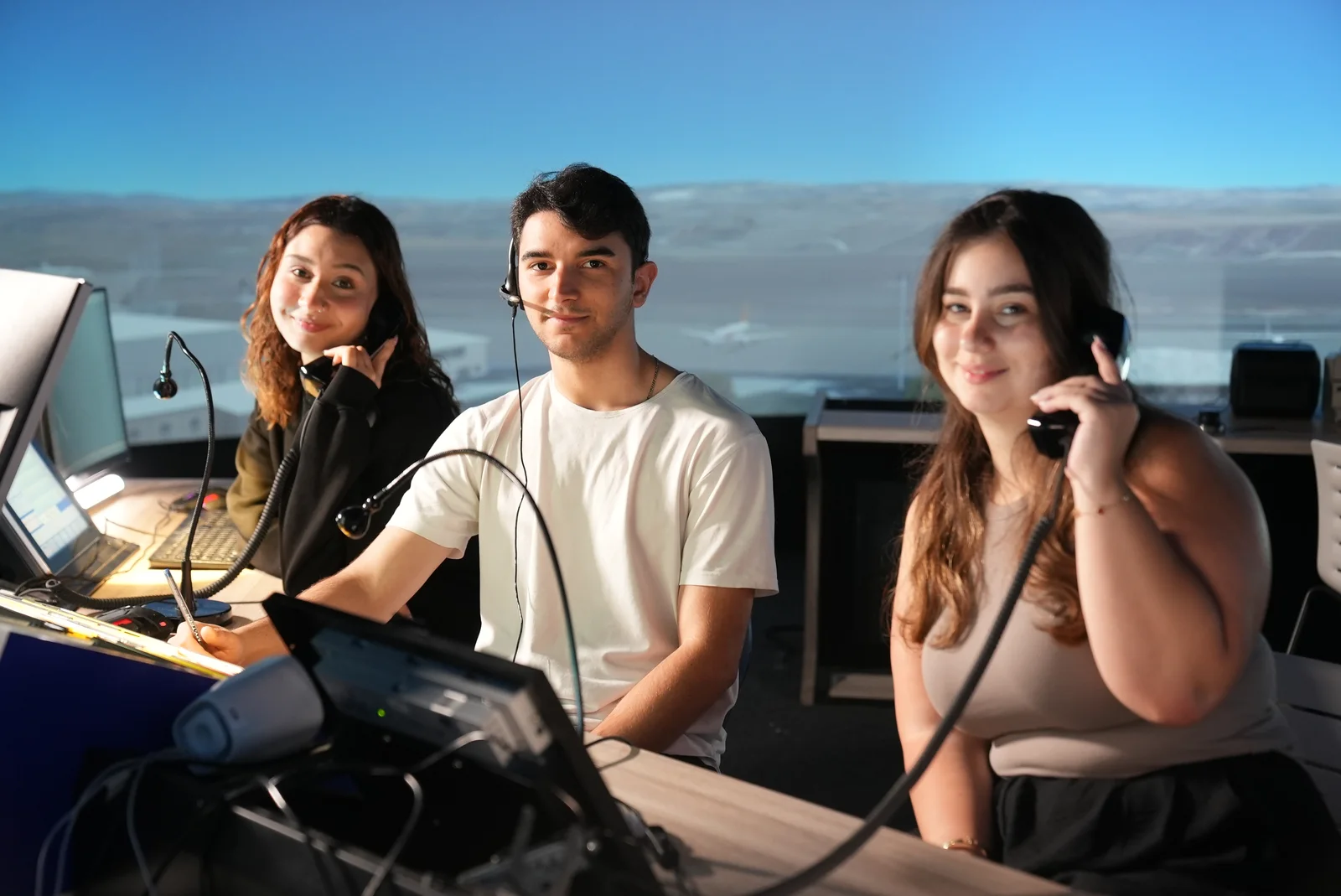
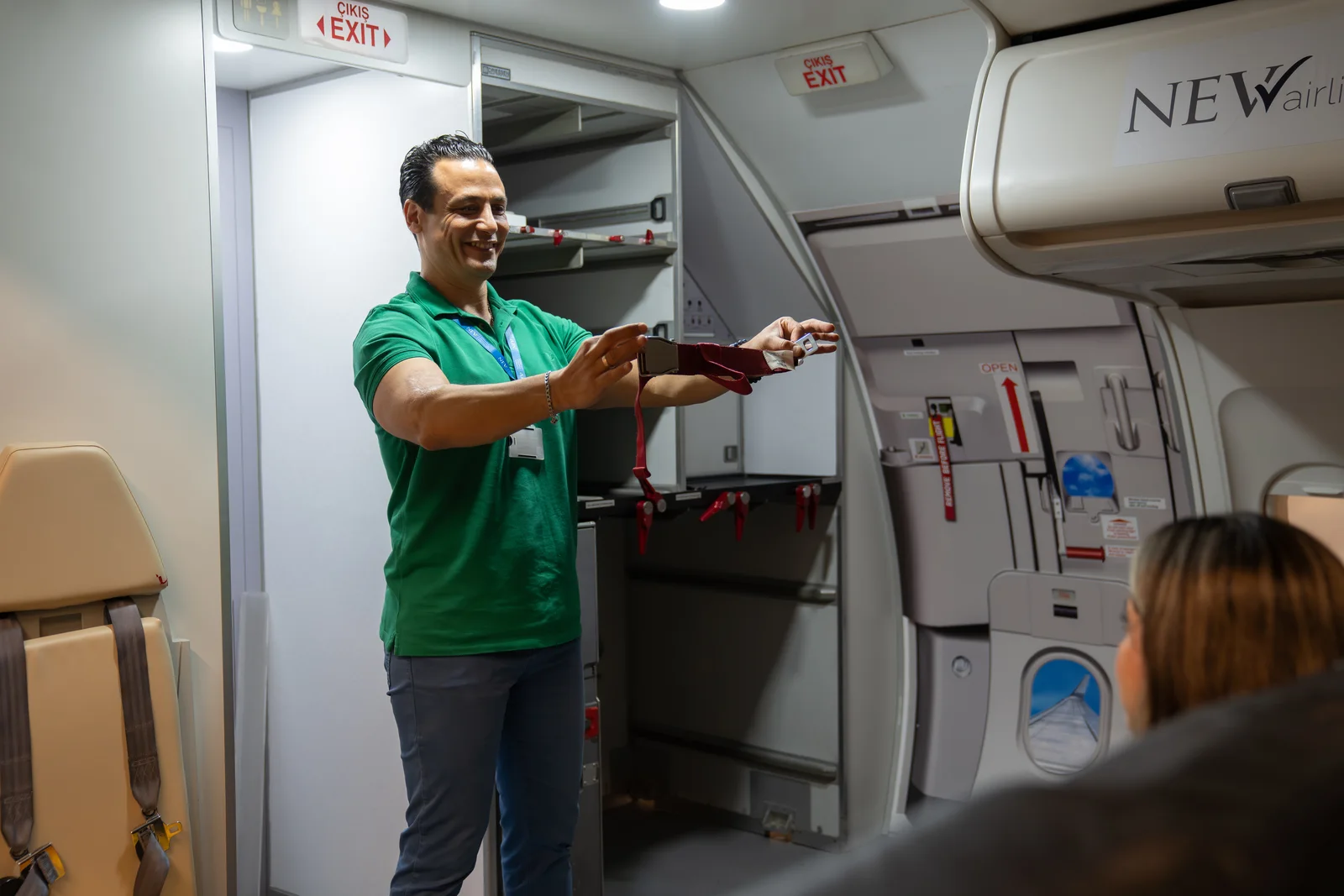
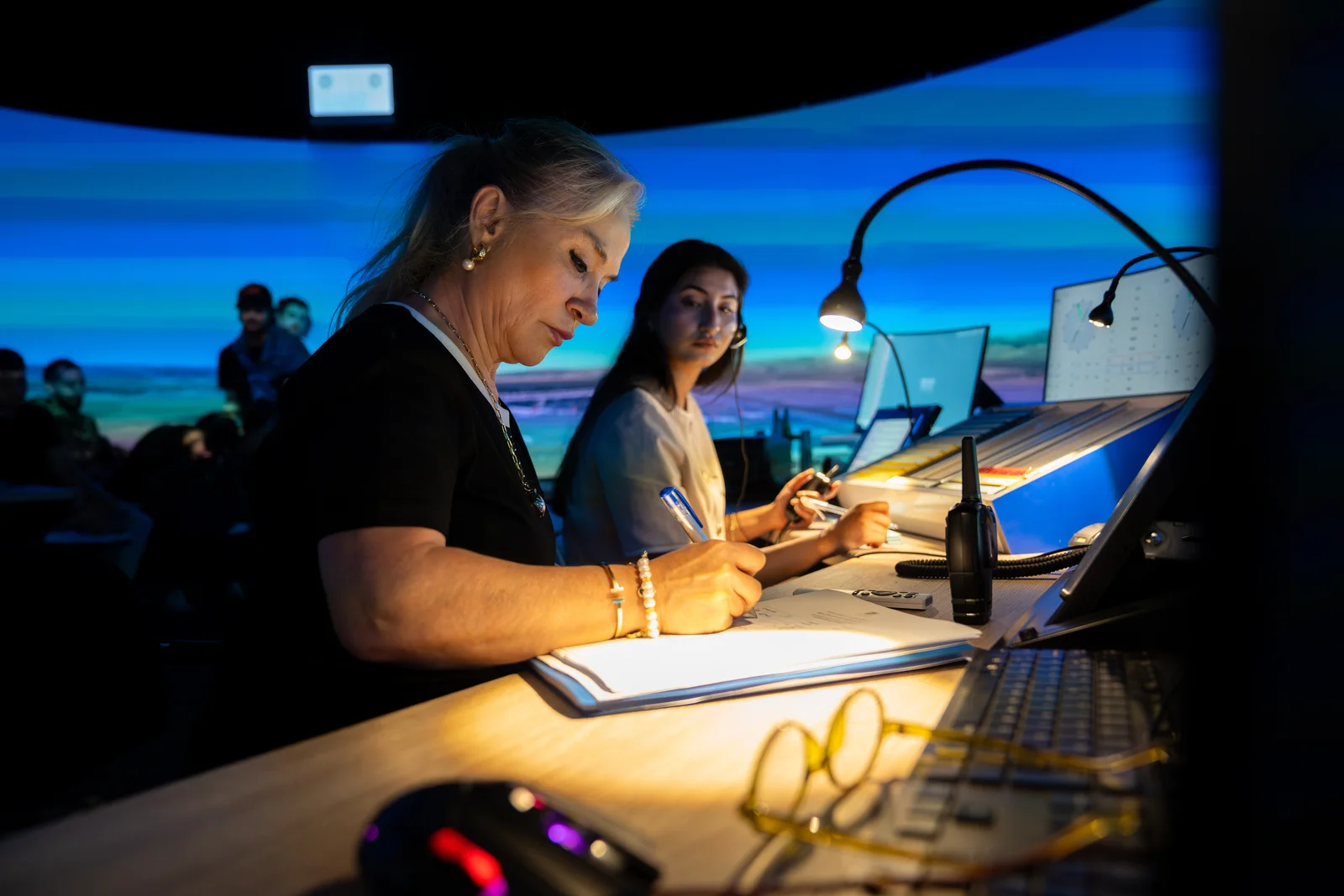
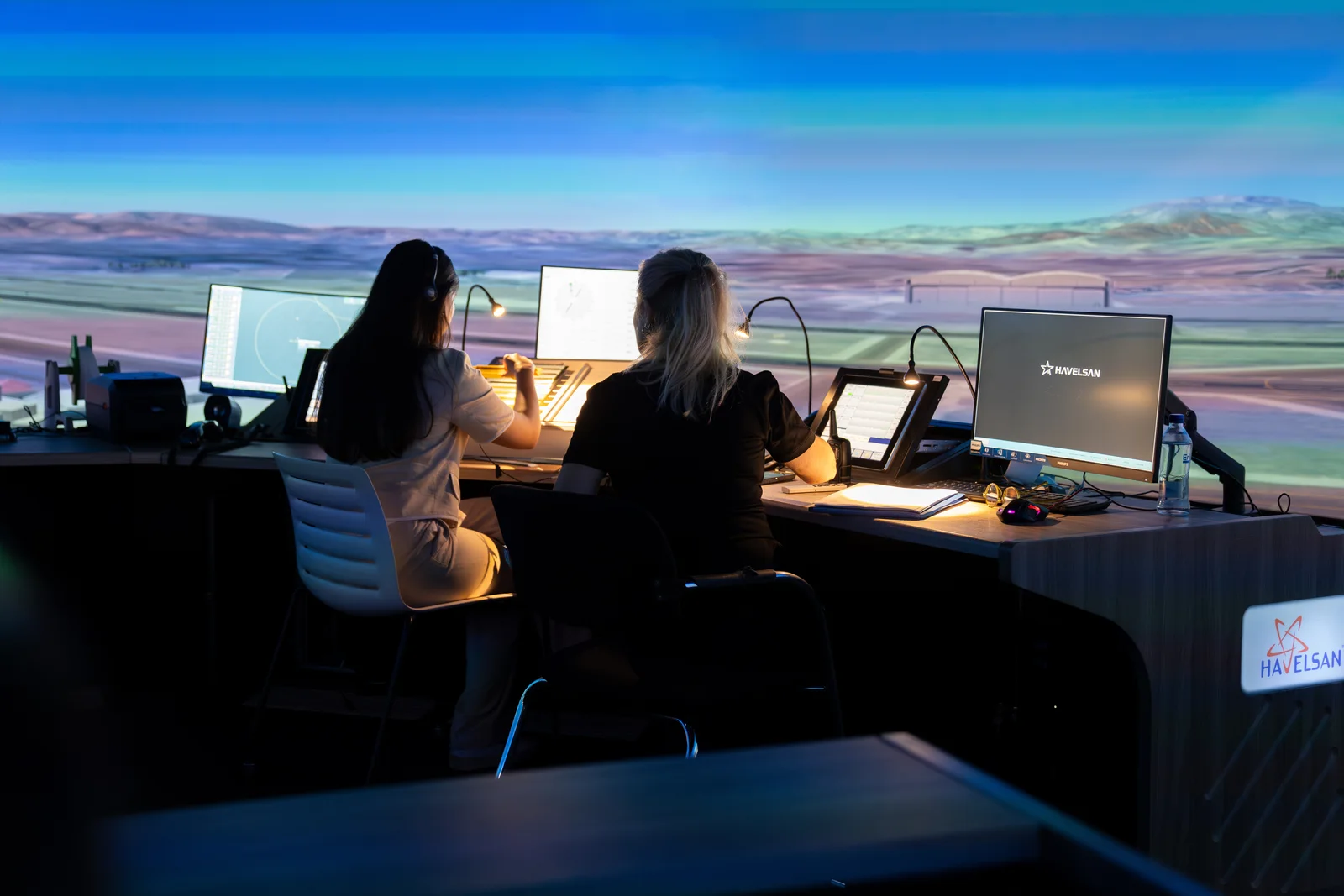
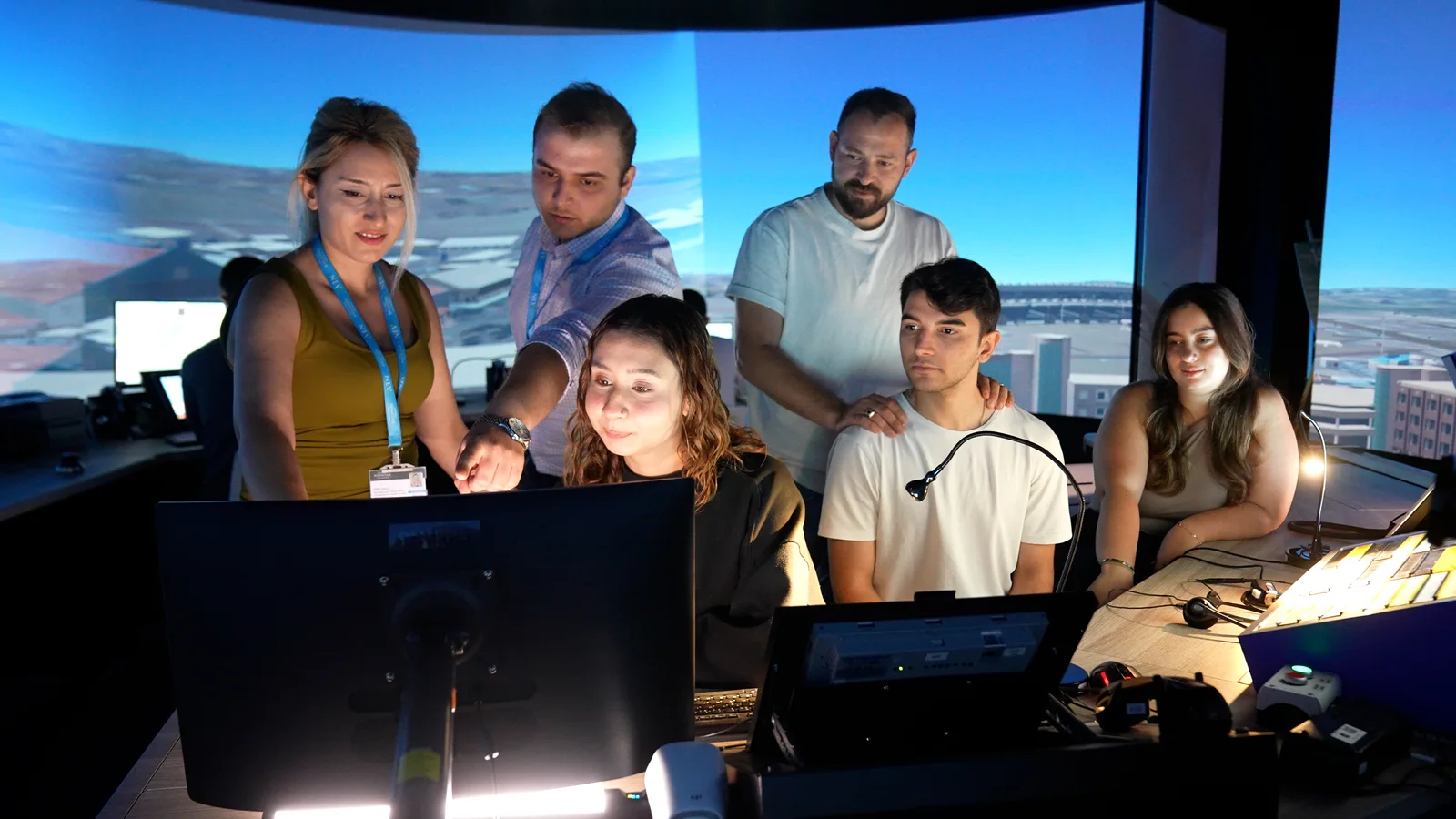
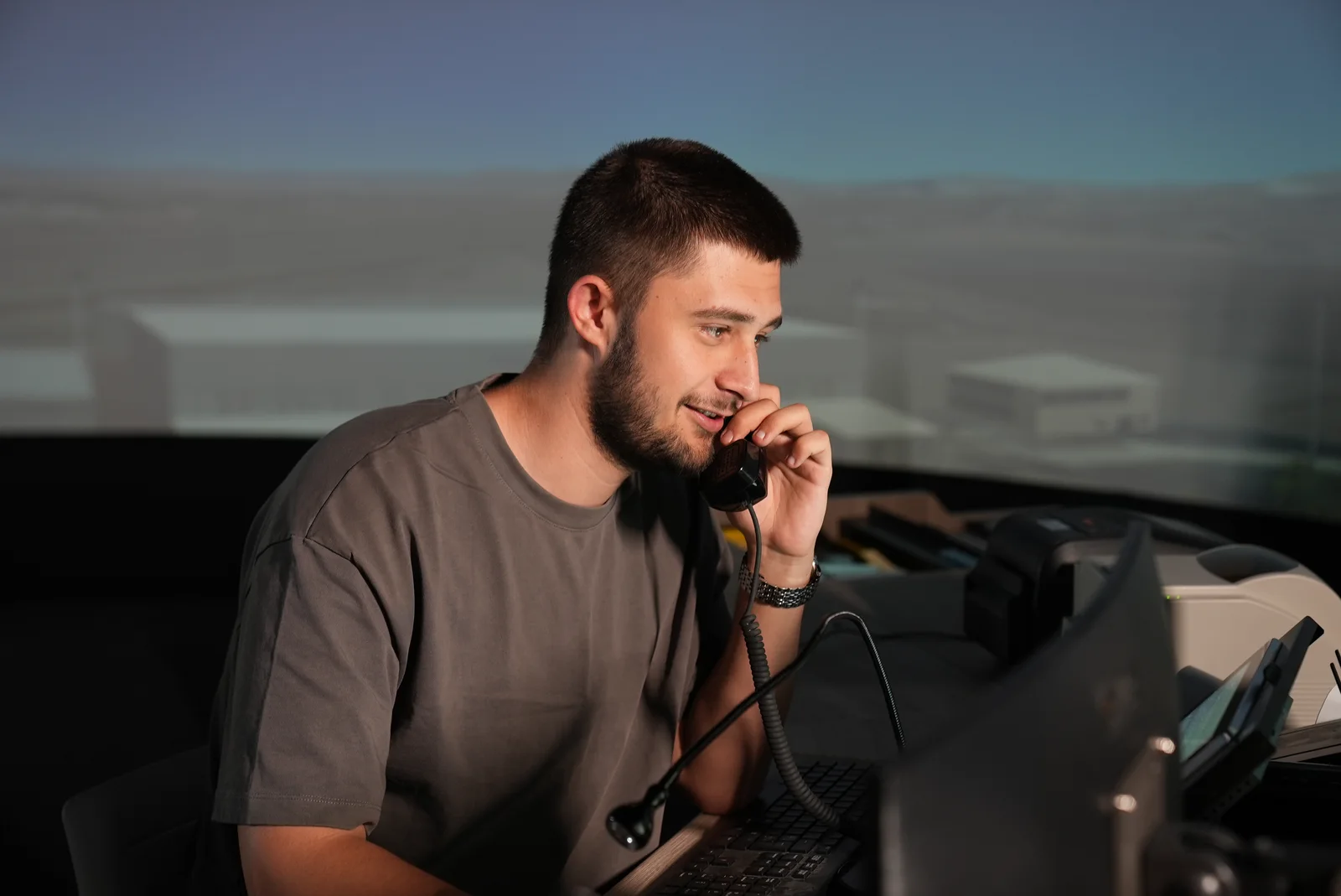
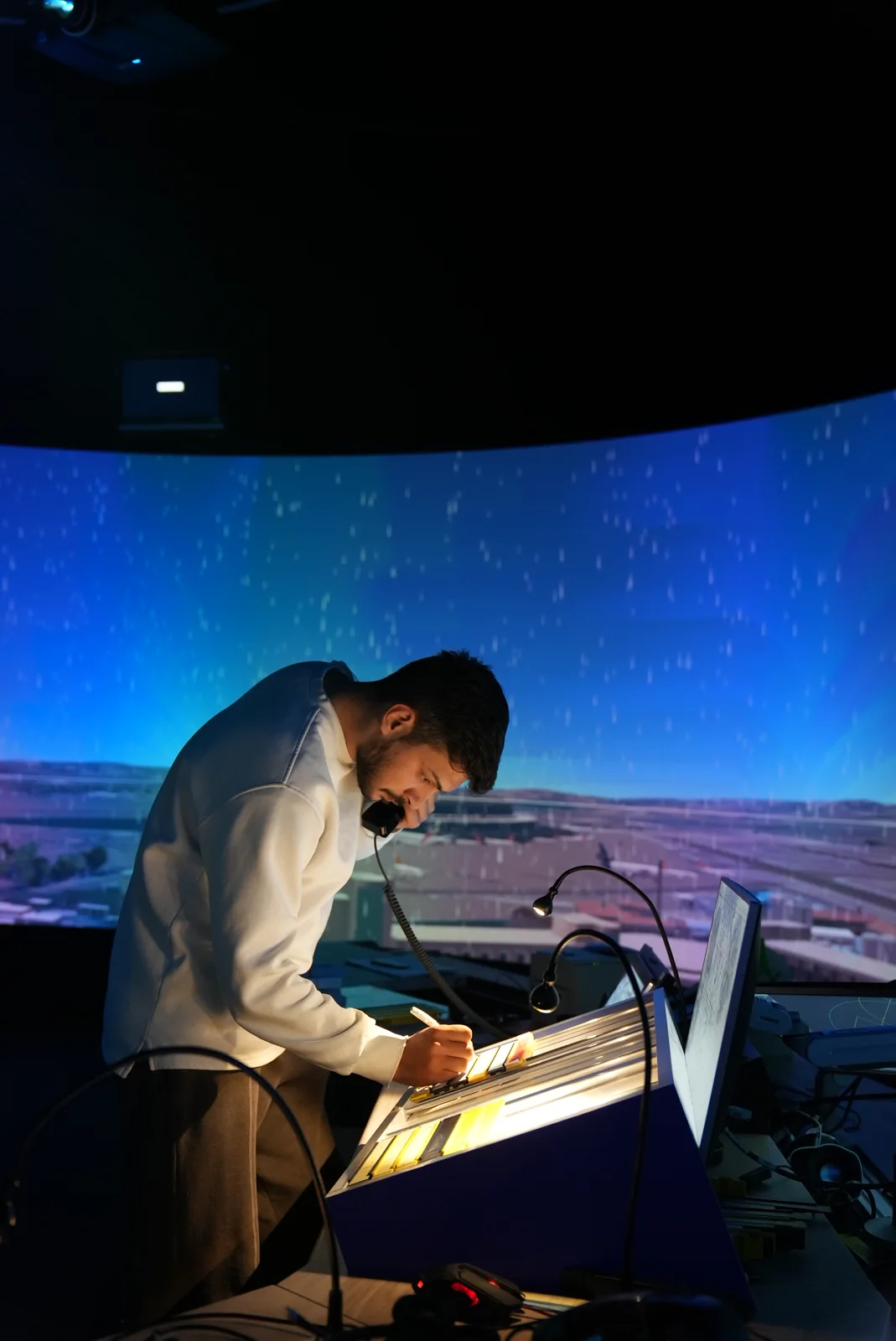
Education is built on an approach that blends theoretical knowledge with practice. Students gain hands-on experience in genuine professional environments such as a 360-degree tower control simulator and radar/non-radar simulator laboratories, mechanical and structural workshops, and flight training. English, the language of aviation, is an essential part of education across all departments.
The school offers an education responsive to the current needs of the industry, working in close cooperation with airlines, airport operators, aircraft maintenance centers and aviation authorities. Through aviation summits, technical visits and cooperation protocols, students engage with the sector at an early stage and make a strong start to their post-graduation careers.
Undergraduate Programs
Career Fields
Graduates of the School of Civil Aviation, equipped with the license- and certification-based education they receive in the Pilotage, Air Traffic Control, Aircraft Maintenance and Repair, and Aviation Electrics and Electronics departments, have career opportunities across a broad spectrum of the aviation industry.
- Airline PilotageGraduates who complete the pilotage program and obtain the required licenses (PPL, CPL, IR, ATPL) can serve as pilots in national and international airlines.
- Air Traffic ControlAir Traffic Control graduates who pass the DGCA licensing exam can be appointed as assistant air traffic controllers within the State Airports Authority (DHMI).
- Aircraft Maintenance and Technical ServicesAircraft Maintenance and Repair graduates work as aircraft technicians in the technical units of airlines and aircraft maintenance centers, handling the upkeep of aircraft airframes, engines and systems.
- Aviation Electrics and Electronics (Avionics)Graduates work in the technical departments of airlines and maintenance organizations on the maintenance and testing of aircraft electrical and electronic (avionics) systems.
- Airport and Ground ServicesGraduates trained in the aviation field can work in operational and technical support roles within airport operators and ground handling organizations.
- Public Aviation InstitutionsGraduates can be employed in public aviation institutions and bodies such as the DGCA, the State Airports Authority (DHMI) and the Turkish Air Force Air Supply and Maintenance Centers.
- Aircraft Maintenance Centers and Private Airline OperatorsGraduates can take roles in private airline operators, notably Turkish Airlines, and in the technical departments of independent aircraft maintenance centers.
- Academia and Postgraduate StudiesGraduates interested in an academic career can apply to master's and doctoral programs in aviation and pursue research and teaching paths.
About the Courses
The undergraduate programs of our departments last four years (eight semesters) and follow a progressive structure, advancing from the fundamentals of aviation and engineering toward advanced professional courses. In these English-medium programs, students who do not pass the proficiency exemption exam are provided with one year of English Preparatory education.
The curriculum is designed to combine theoretical knowledge with applied training. Pilotage students complete theoretical courses geared toward the PPL and ATPL stages along with flight training carried out at a partner flight school; Air Traffic Control students reinforce their professional courses in 360-degree tower control and radar simulator laboratories; while technical-department students conduct hands-on work in mechanical and structural workshops.
The programs are conducted in line with the DGCA and relevant aviation regulations (such as SHY-66 and SHY 65-01) as well as ICAO standards, covering the theoretical, practical and certification stages required for graduation. Air Traffic Control students complete internships within the State Airports Authority (DHMI); across all departments, students are prepared for professional life through industry cooperation, technical visits and graduation/thesis projects.
For detailed information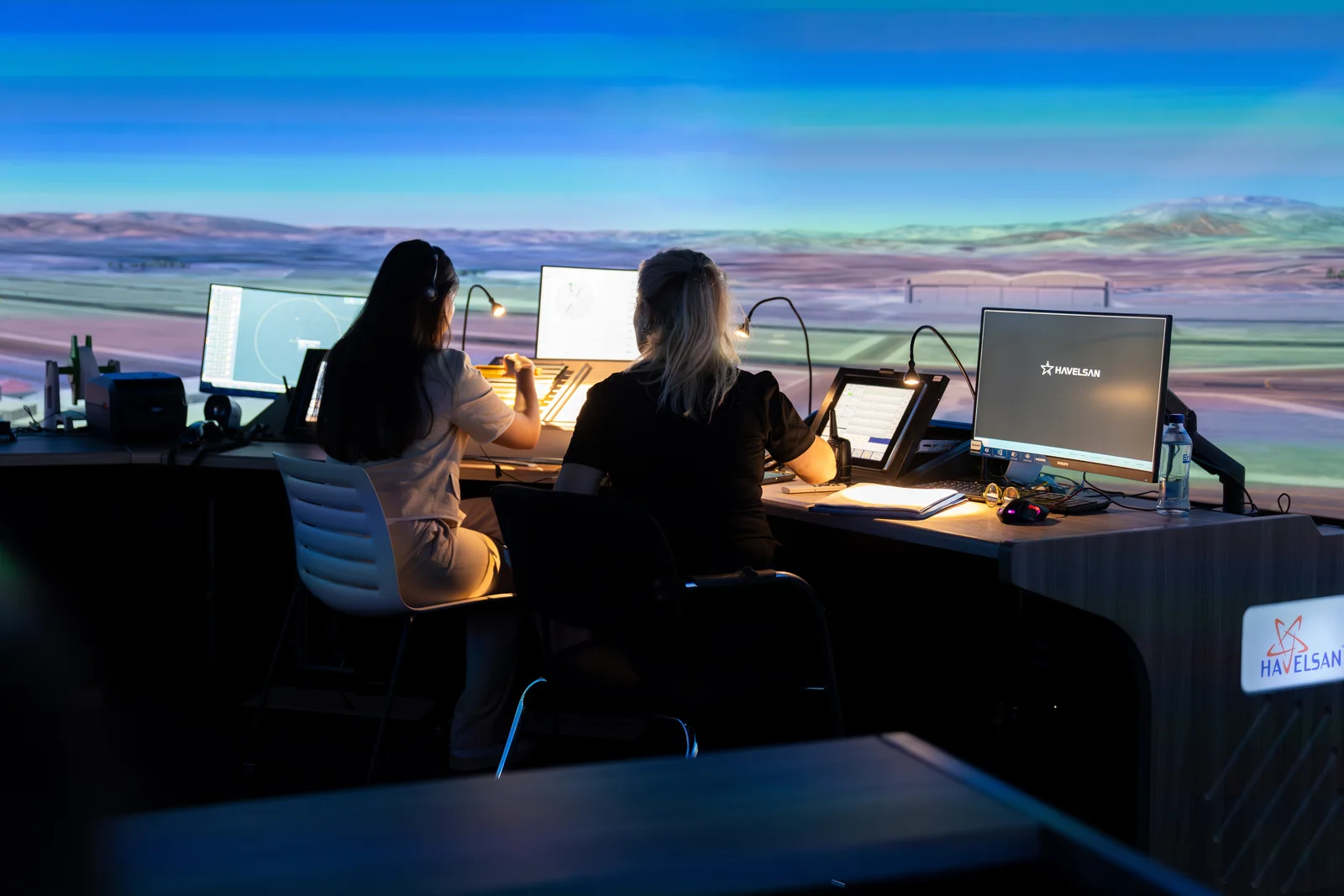

Get more information about School of Civil Aviation
Let our admissions advisor answer all your questions about the program, quotas and scholarship opportunities.