Vocational School
32
Program
About the Program
İstanbul Nişantaşı University began its academic life in 2009 as Nişantaşı Vocational School, launching associate degree education in the 2010-2011 academic year with 14 programs. Today our Vocational School continues its education with thousands of students across 36 programs in both formal and evening education. From its very first day, it has carried the responsibility of training well-equipped intermediate staff who possess a foundation of vocational skills and the core knowledge on which technology is built, enabling them to adapt easily to changing conditions.
The fundamental aim of our school is to train and bring into the economy a high-quality, modern workforce capable of taking on roles in the industry, trade and service sectors. To this end, our teaching processes give priority to activities that raise awareness of environmental consciousness, energy efficiency and the fight against climate change. The goal is a workforce that can understand and apply technology and produce efficient, high-quality goods and services.
To equip our students with the qualities demanded by the business world, we emphasise developing the ability to adapt quickly to changing conditions, solve problems, communicate, work as a team and take responsibility for one's work. For this reason, before admitting students to any program we open, we establish solution partnerships with sector representatives and non-governmental organisations to prepare sector-oriented curricula, practical training and internship plans.
These effectiveness- and efficiency-focused plans help our graduates get to know working life while still studying and to hold sustainable employment. Aware of the importance of adequate infrastructure for raising the quality of teaching, the infrastructure for workshops, laboratories and other equipment has been provided on our NeoTech and Kağıthane campuses. In this way, our students have the opportunity to reinforce theoretical knowledge in a strong practical environment.
Associate Programs
Career Fields
The two-year associate degree programs of our Vocational School prepare students for direct employment across a broad spectrum of fields. The graduates of our programs, ranging from Computer Programming to Cookery, from Graphic Design to Civil Aviation Cabin Services, from Justice and office services to technical engineering technologies, can take on roles in a wide variety of areas as practically trained intermediate staff and technicians sought after in their sectors. In addition to the associate degree, the opportunity to transfer to bachelor's programs through the Vertical Transfer Examination (DGS) further broadens our students' career horizons.
- Information Technology and SoftwareGraduates of our Computer Programming, Internet and Network Technologies and Web Design and Coding programs can work in positions such as software/application developer (web, mobile, desktop), database and application support specialist, software test (QA) specialist, system and network support staff, and entry-level data analyst.
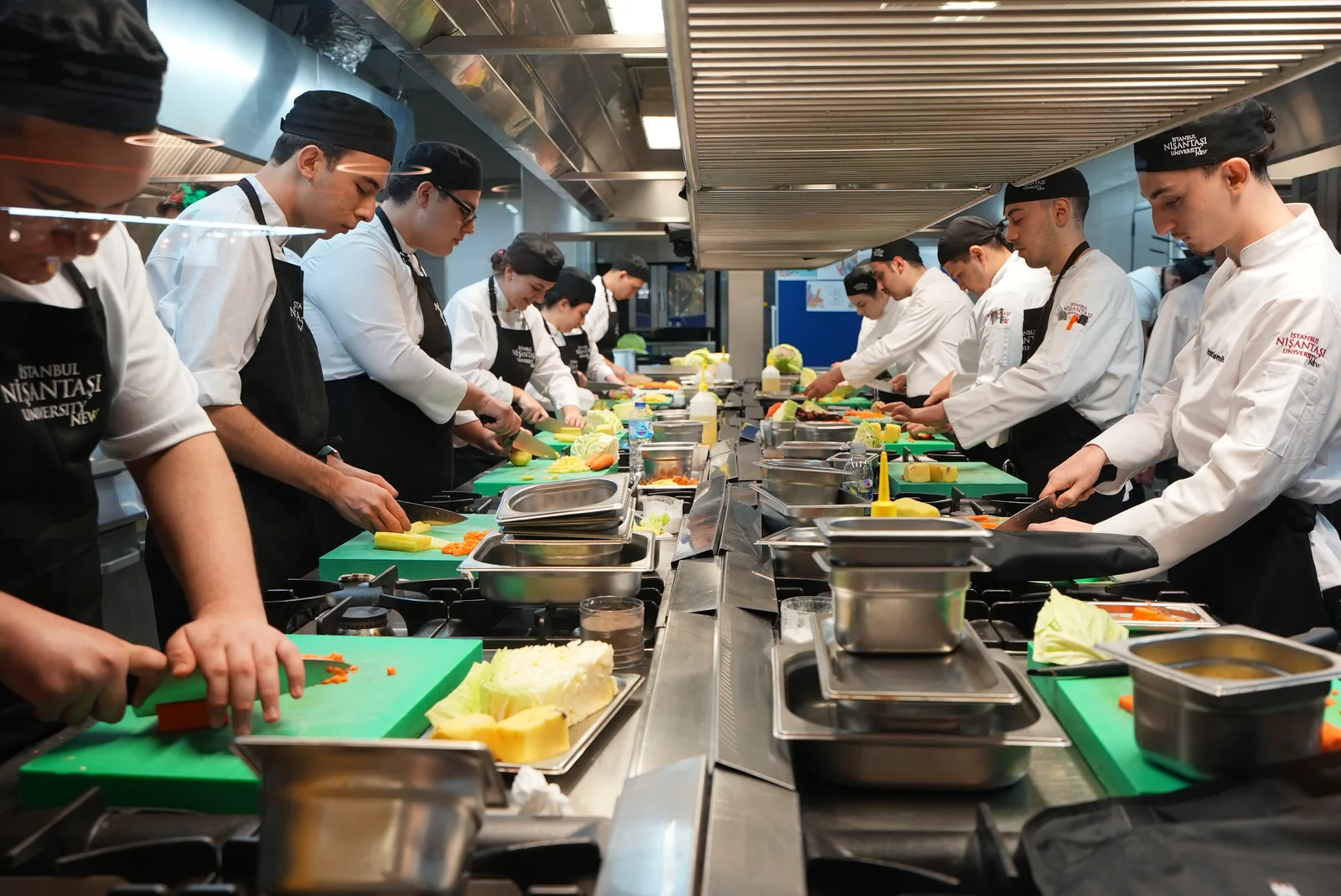
- Tourism, Hospitality and Culinary ArtsGraduates of programs such as Cookery, Tourism and Hotel Management and Tourist Guidance can take roles in hotel and restaurant kitchens, accommodation and food-and-beverage businesses, and the tourism sector. Our University's relevant tourism programs hold TURAK accreditation.
- Design and Visual CommunicationGraduates of Graphic Design, Fashion Design, Interior Design, Photography and Camera Operation, and Radio and Television Programming can work in advertising and design agencies, media and broadcasting organisations, and various areas of the creative industries.
- Technical and Engineering TechnologiesGraduates of programs such as Electricity, Electronics Technology, Machinery, Mechatronics, Automotive Technology, Construction Technology, Unmanned Vehicle Technology and Green and Ecological Building Technology can serve as technicians in industry, manufacturing, maintenance-repair and technical service fields.
- Civil Aviation and TransportationGraduates of Civil Aviation Cabin Services, Civil Air Transportation Management, Aircraft Technology and Logistics can be employed in airline cabin services, airport ground handling, aircraft maintenance support units, and logistics and supply chain operations.
- Maritime and Port ManagementGraduates of Maritime Transportation and Management, Maritime and Port Management, and Marina and Yacht Management can work in maritime businesses, port and marina operations, and maritime transport and agency fields.
- Business, Finance and TradeGraduates of Business Management, Banking and Insurance, Accounting and Tax Applications, Foreign Trade, Public Relations and Publicity, and Sports Management can serve as qualified intermediate staff in the administrative, financial, commercial and promotional units of businesses.
- Justice and Office ServicesGraduates of programs such as Court Office Services and Applied English and Translation can be employed in courthouses and law offices, public and private sector office services, and fields requiring translation and correspondence.
About the Courses
Our programs are structured as a two-year (four-semester) associate degree. The curriculum combines both theoretical and applied courses; while the fundamental concepts of the field are taught on a solid academic foundation, students gain skills oriented toward the real scenarios they will encounter in the sector. Course plans are prepared in line with the solution partnerships established with sector representatives and non-governmental organisations before any student is admitted to a program.
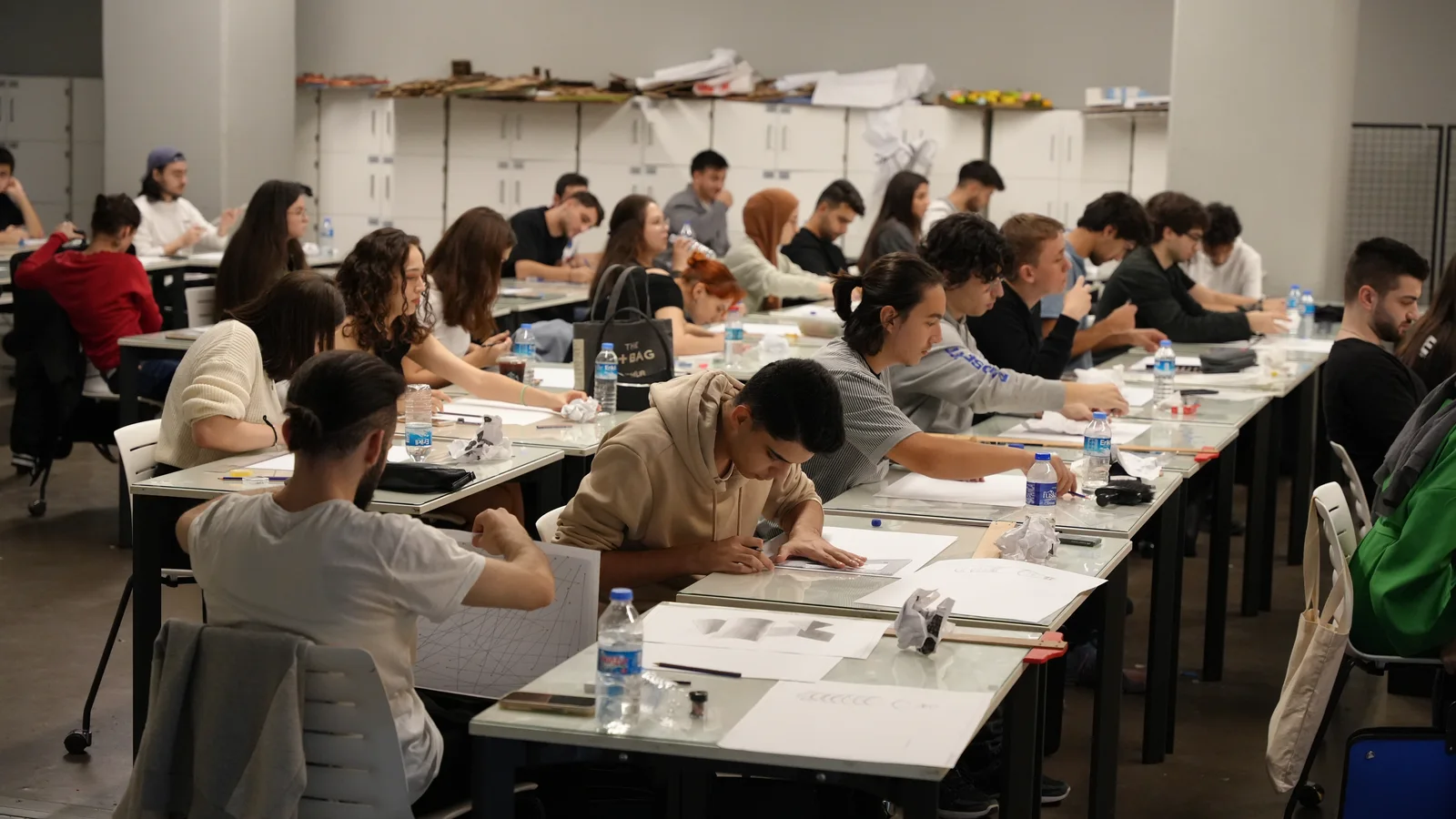
Education goes beyond the classroom, supported by workshop and laboratory work, project-based learning and sector collaborations. Thanks to the workshop, laboratory and equipment infrastructure provided on our NeoTech and Kağıthane campuses, students turn theory into practice. Field courses are largely delivered by sector representatives and practitioners as well, giving students direct access to current practical knowledge.
Alongside vocational and technical courses, the programs provide students with a diversity of skills through foreign language, information and communication technologies and various elective courses. Internship practices, an important part of the educational process, allow students to get to know working life while studying and to increase their post-graduation employment opportunities. Graduates can either step directly into working life with their associate degree or transfer to bachelor's programs through the Vertical Transfer Examination (DGS).
For detailed information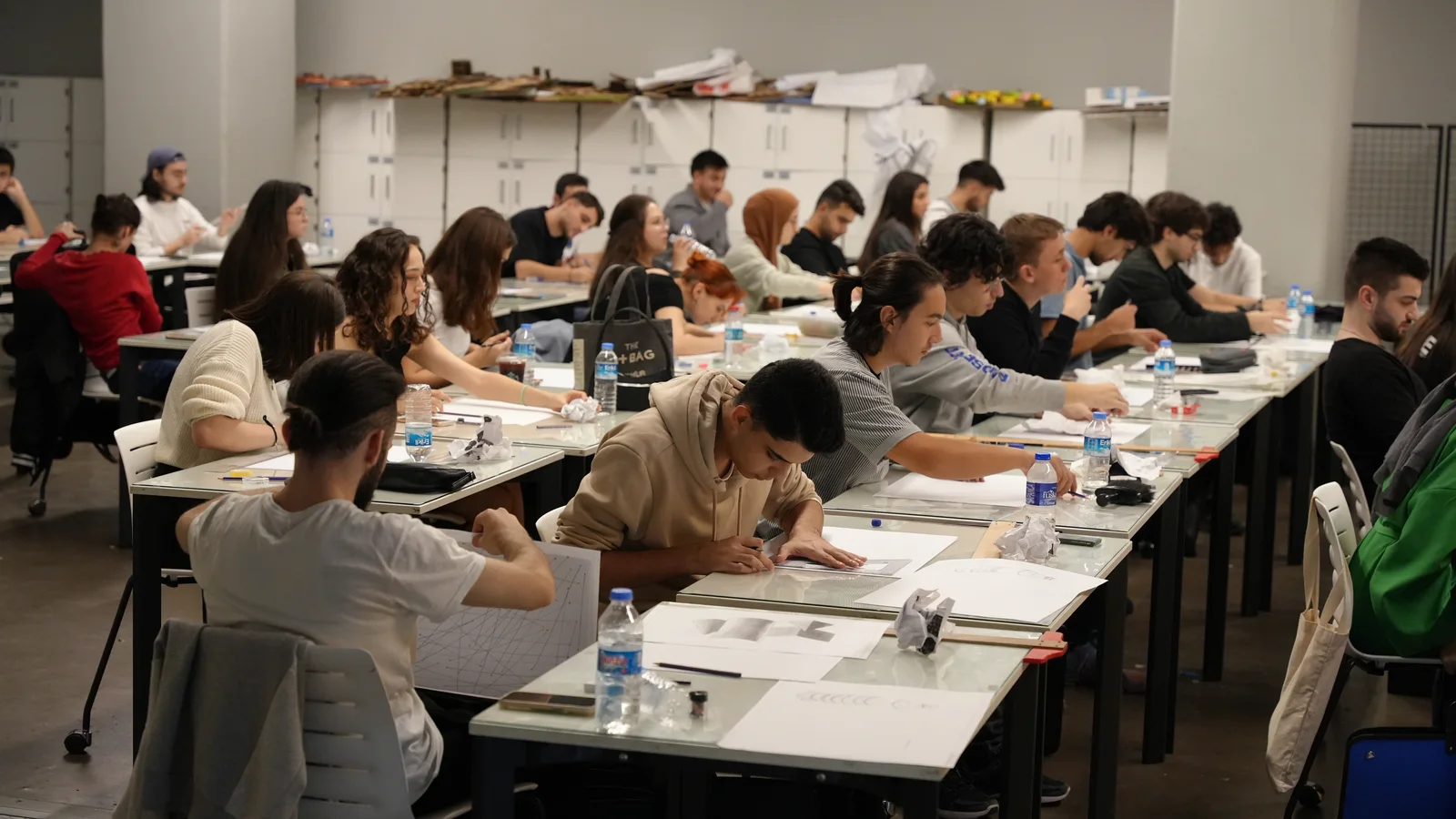

Get more information about Vocational School
Let our admissions advisor answer all your questions about the program, quotas and scholarship opportunities.