
Faculty of Art & Design
8
Program
About the Faculty
The Faculty of Art and Design embraces a contemporary educational philosophy that brings together the creative power of art with the transformative impact of design and the innovative possibilities of technology. Our faculty aims to train individuals with an aesthetic perspective who can think critically, produce creative solutions and adapt to the needs of a changing world.
Today, the disciplines of art and design develop intertwined with digital technologies, artificial intelligence applications, new media tools and the creative industries. Accordingly, our faculty aims not only to provide students with field knowledge but also to instill a perspective that enables them to collaborate across different disciplines, use technology effectively and create original work.
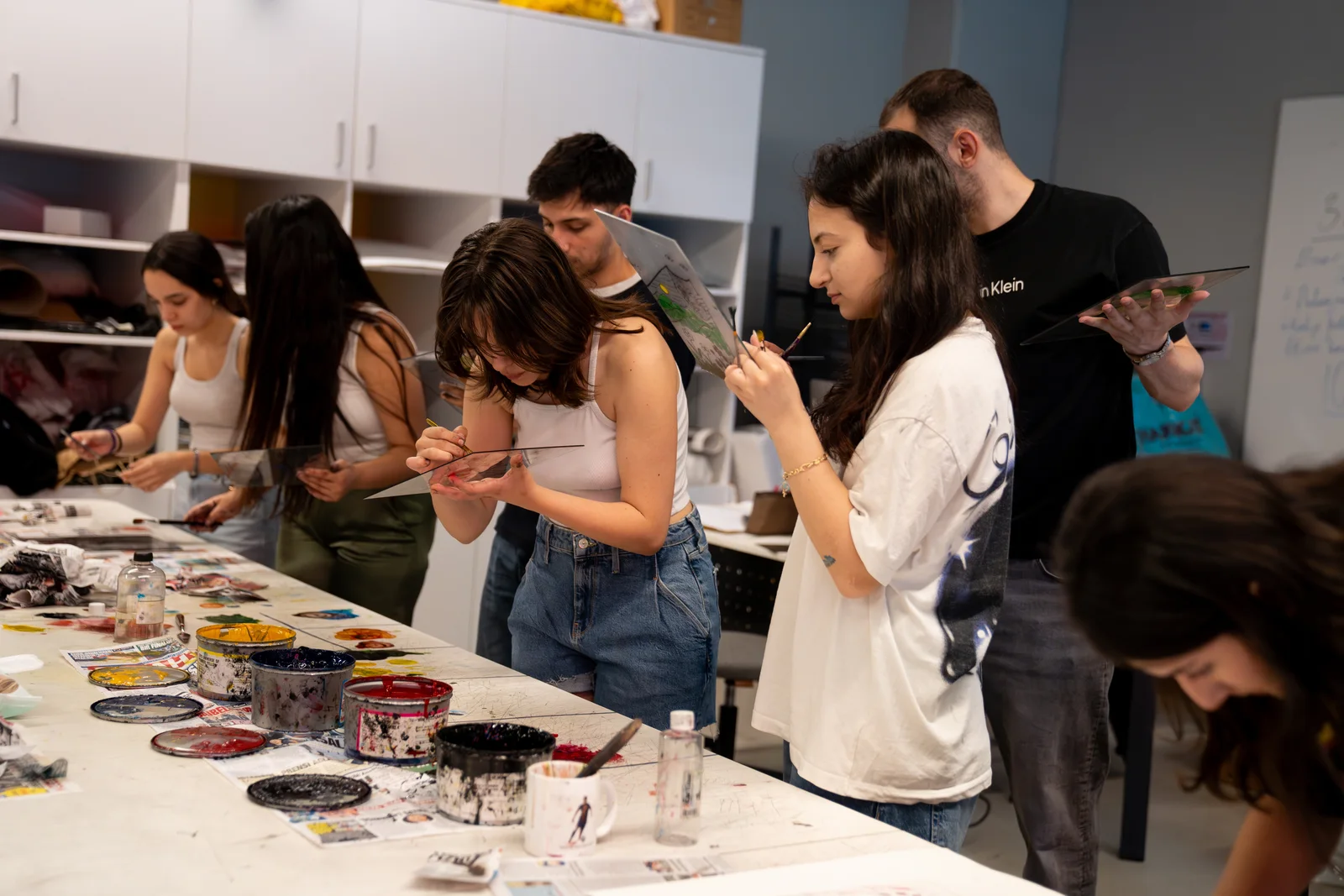
Our educational approach, which brings theoretical knowledge together with practice, enables our students to develop their individual talents, reveal their creative potential and acquire the competencies required by professional life. Through workshops, project work, exhibitions, industry collaborations and applied education activities, our students gain real production experience throughout their education.
With a learning environment that encourages cultural diversity, original thinking and innovative production, the Faculty of Art and Design prepares its students for successful careers at both the national and international levels, while placing at its center the transformative power of art and design that contributes to social development.
Career Fields
Graduates of the Faculty of Art and Design work across a broad spectrum of creative industries, from visual communication and spatial design to digital games and gastronomy. Our programs equip students for agencies, studios, production and broadcasting organizations, design and architecture offices, and food and beverage businesses, as well as for freelance and entrepreneurial work and an academic career.
- Visual Communication and AdvertisingGraduates can work as designers in graphic and web design agencies, advertising agencies and media organizations, in fields such as packaging, illustration and visual identity.
- Digital Games and AnimationGraduates can take roles in game companies and animation and modeling studios as game designers, visual designers, programmers, interface developers, sound editors, character designers or 2D/3D modeling specialists, and can develop and market their own games.
- Industrial and Product DesignIn product design for mass production, graduates can work in private and public institutions as well as in their own consultancy firms, in areas such as design, application, research and development, inspection, consultancy and expert assessment.
- Interior and Spatial DesignGraduates find employment in interior architecture and architecture offices, in the construction departments of public and private sector organizations, and in furniture and interior product companies as designers, practitioners, supervisors, consultants or site managers.
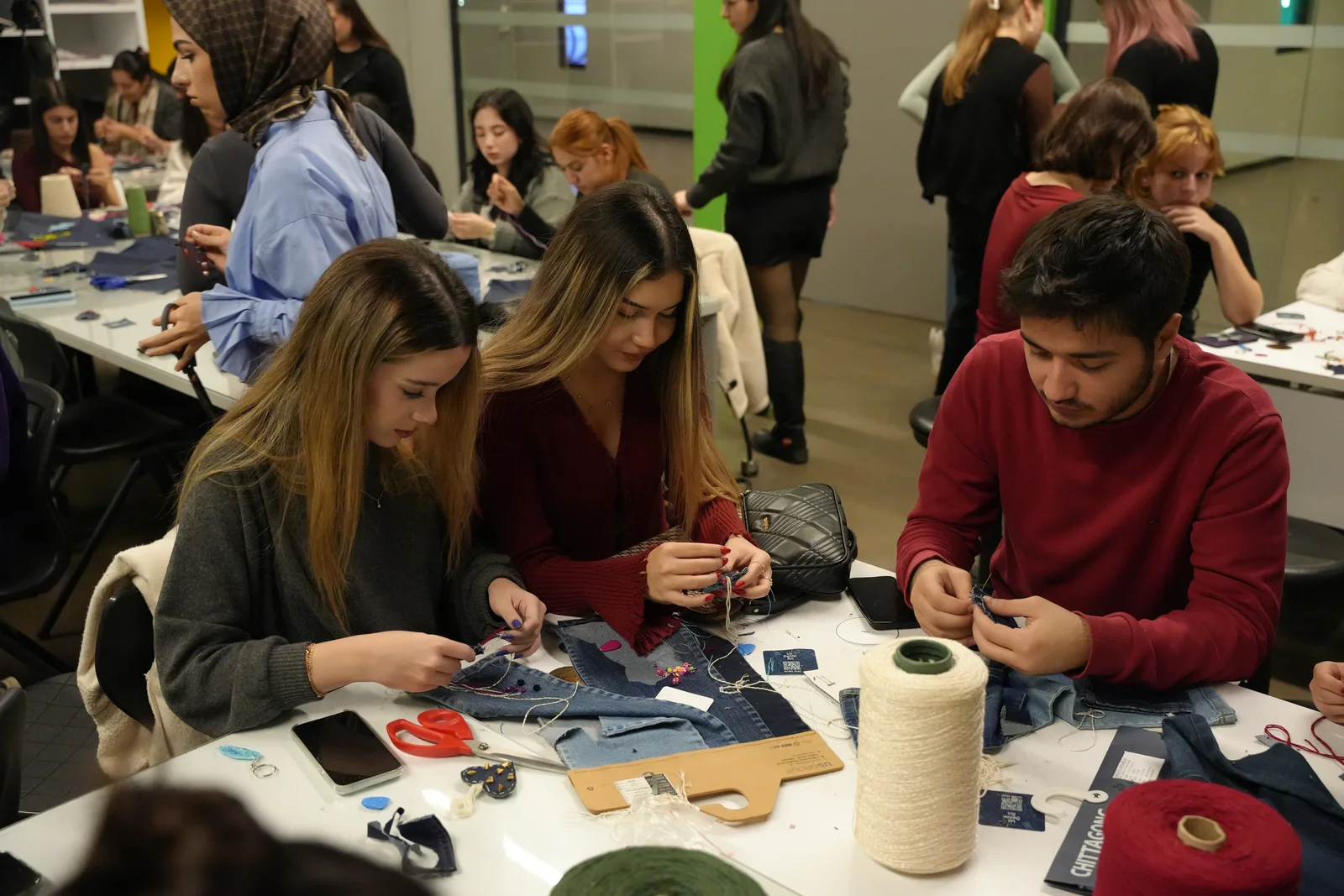
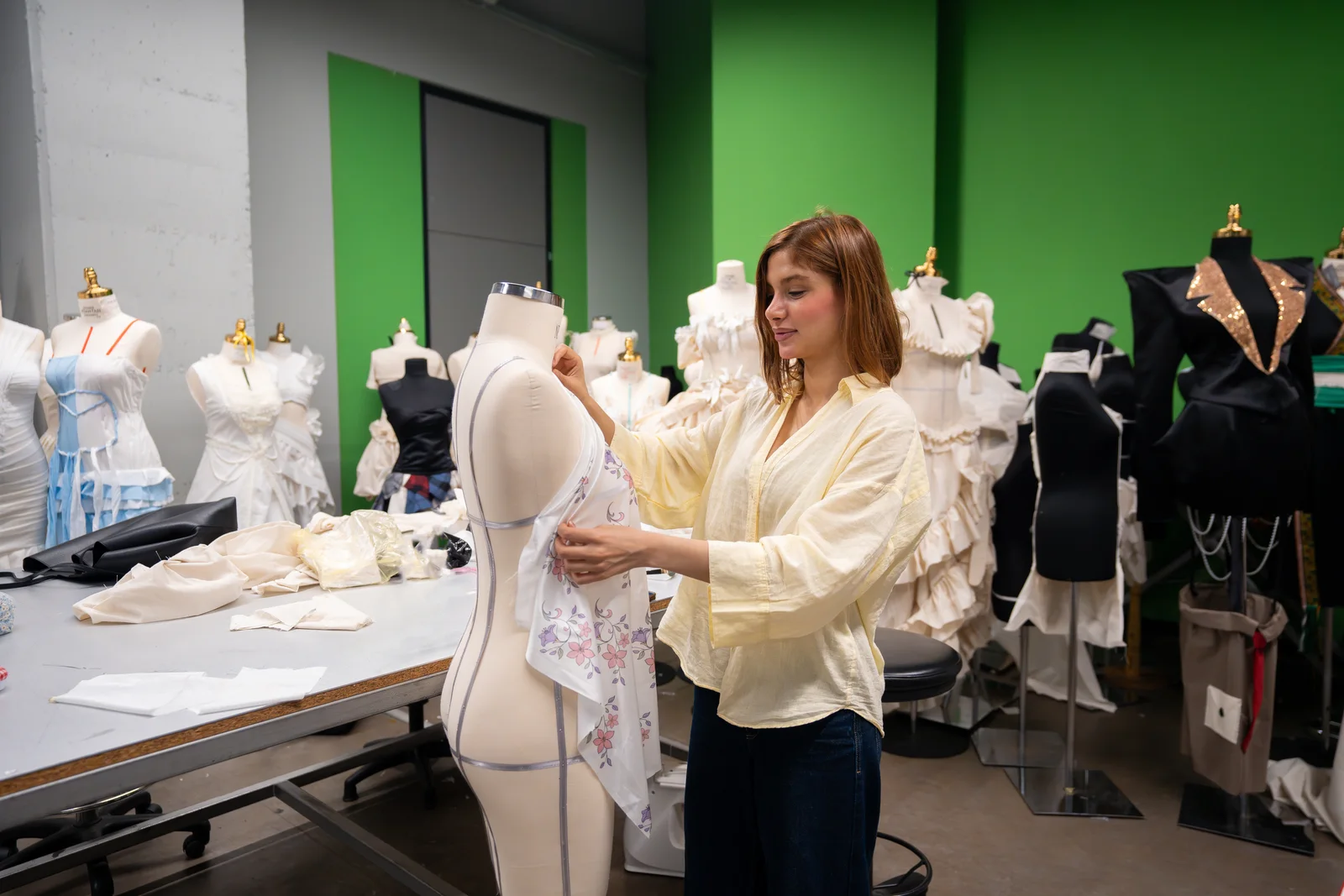
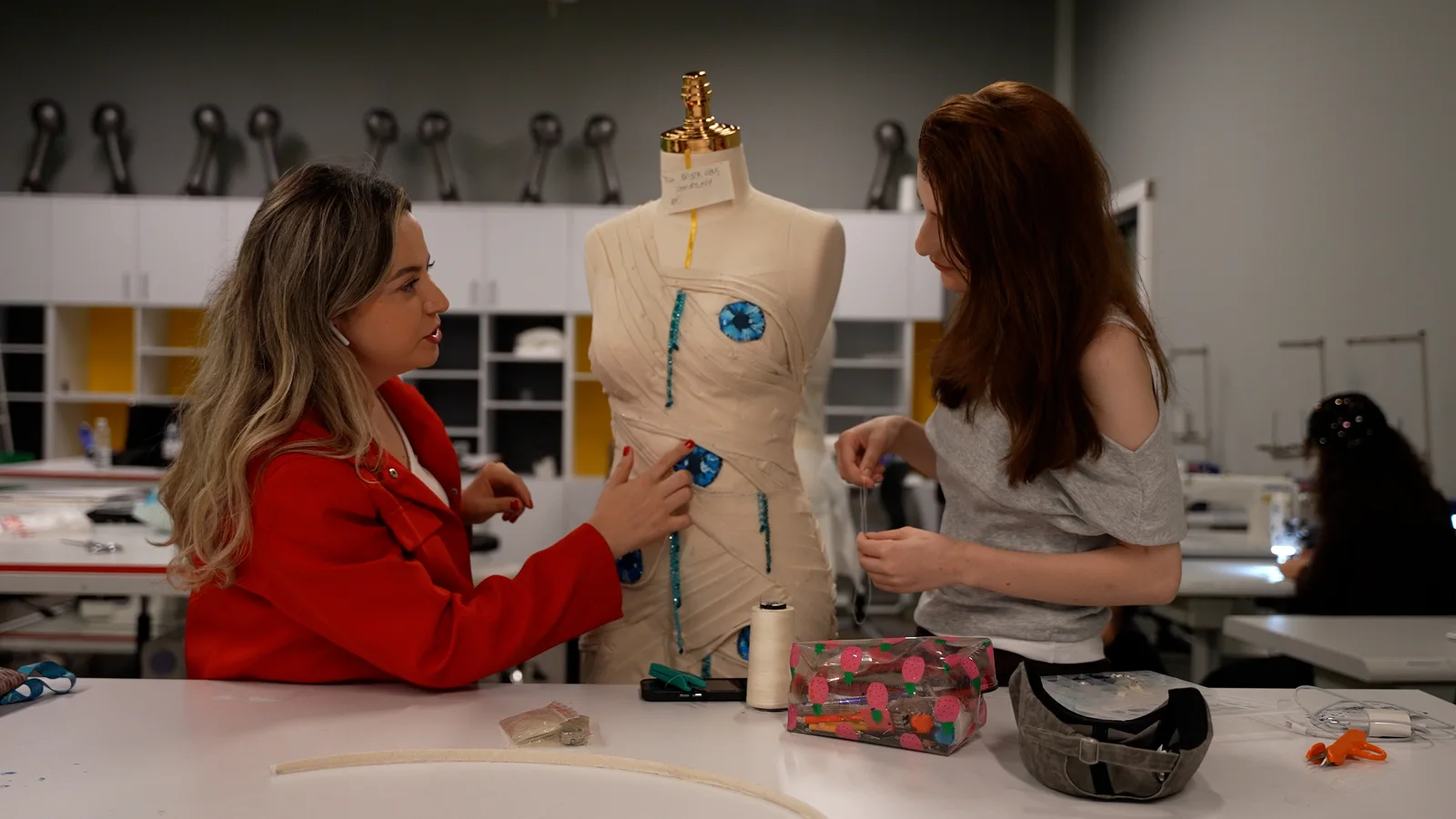
- Fashion and Textile DesignGraduates can work as woven fabric, print and garment designers; in yarn and fabric production and in the sales and marketing of textile companies; or can produce independently in their own ateliers.
- Film, Television and New MediaGraduates can work in television and radio channels, series and feature films as directors, screenwriters, programmers, producers, editors, cinematographers or art directors, and also in newspapers, magazines and cultural and arts organizations.
- Gastronomy and Culinary ArtsGraduates can work as chefs and managers in national and international food and beverage businesses and hotel kitchens, and can establish and run their own businesses by making a name with their own craft.
- Freelance Practice, Entrepreneurship and AcademiaIn line with their professional profile, graduates can work freelance and establish their own companies and ateliers; by completing graduate studies, they can continue their careers as academics at universities.
About the Courses
Across all of our faculty's programs, education is built on an integrated approach that brings theoretical knowledge together with applied production. While students gain a strong theoretical foundation through courses such as design history, aesthetics, communication and art theory and research methods, from the very first years they also learn by doing through workshop-, studio- and laboratory-based courses. Hands-on courses ranging from basic design, drawing, sketching and photography to typography, illustration, animation, modeling, draping, and materials and production techniques are enriched with the skills and competencies specific to each program's own field.
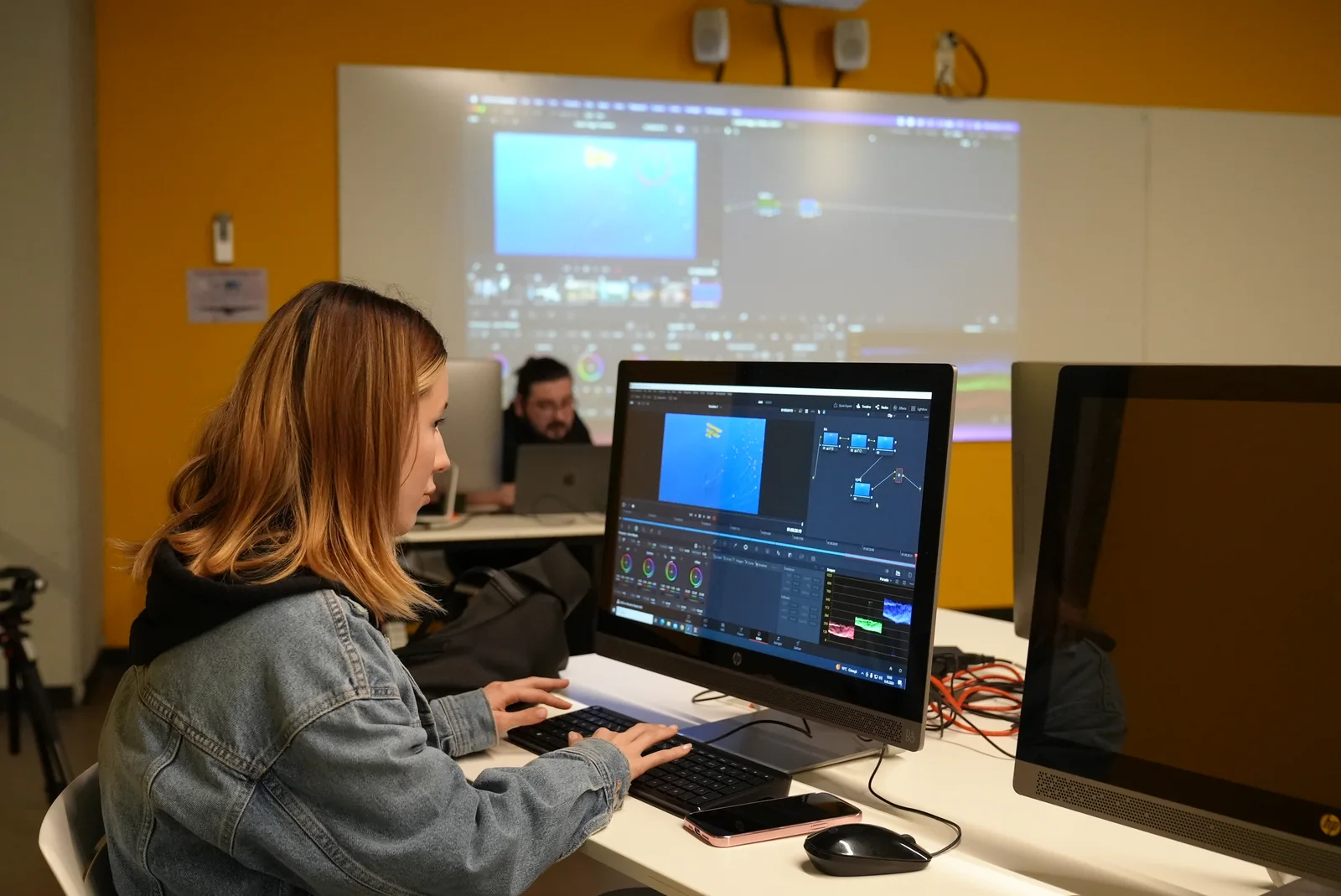
Our curricula place computer-aided design and current digital technologies at the heart of education. The programs are supported by facilities such as PC and MAC laboratories, editing and photography studios, well-equipped design ateliers and a practice kitchen. Students learn the tools their fields require, from computer-aided design to game engines and from image and sound editing to virtual reality and modeling applications; they turn the theoretical knowledge they acquire into project, presentation and portfolio work, producing original outcomes.
Close collaboration with industry is an integral part of the educational process. Through internship opportunities, courses delivered together with industry professionals, domestic and international projects, exhibitions and participation in competitions, the programs give students real production experience. Course plans are updated in line with the current needs of the sector; in some programs the final stage of study is devoted to on-the-job professional practice, and in others to a graduation/diploma project presented before a jury. In this way, students graduate ready both for the profession and, if they wish, for postgraduate study and an academic career.
For detailed information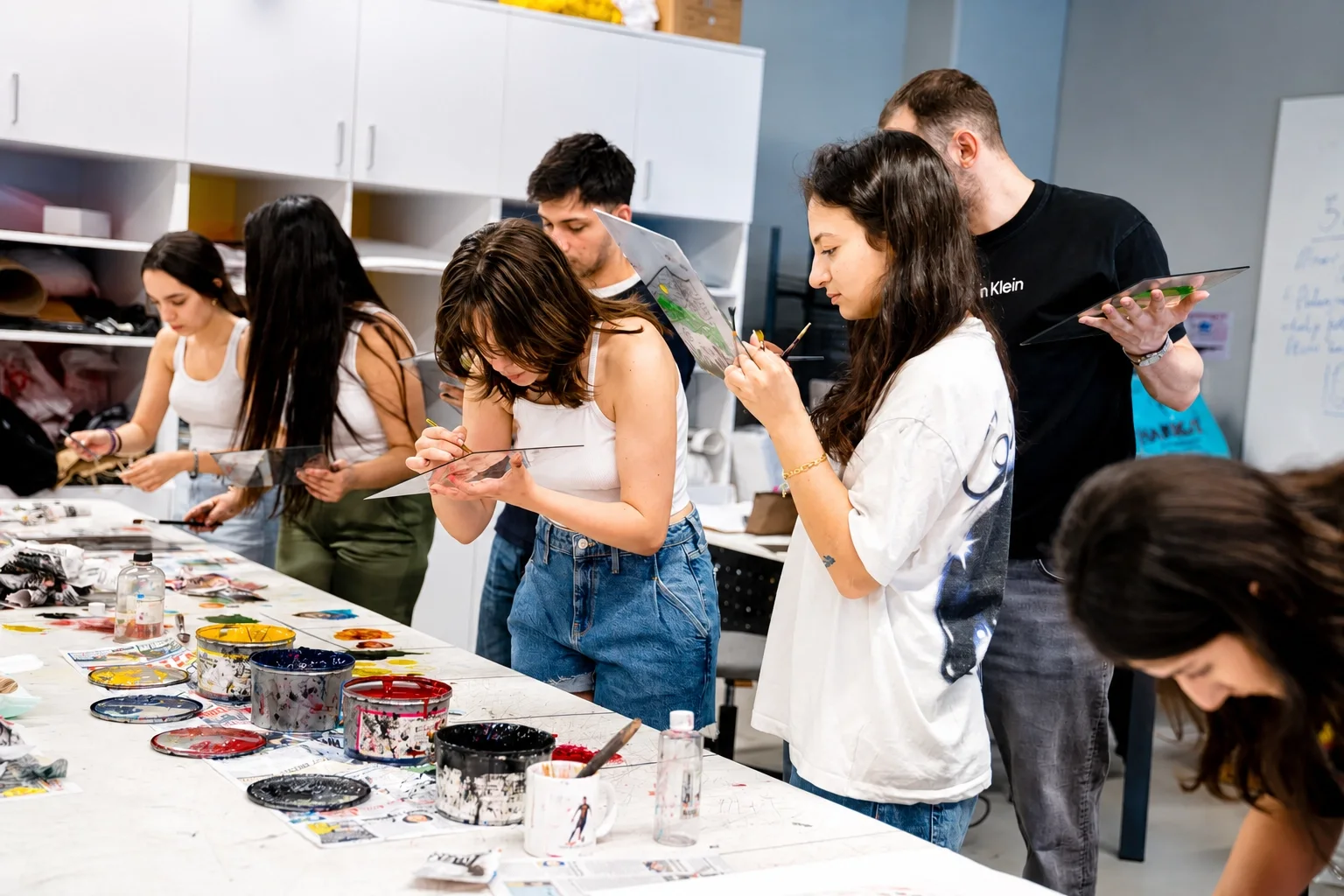
Get more information about Faculty of Art & Design
Let our admissions advisor answer all your questions about the program, quotas and scholarship opportunities.